Sepsis

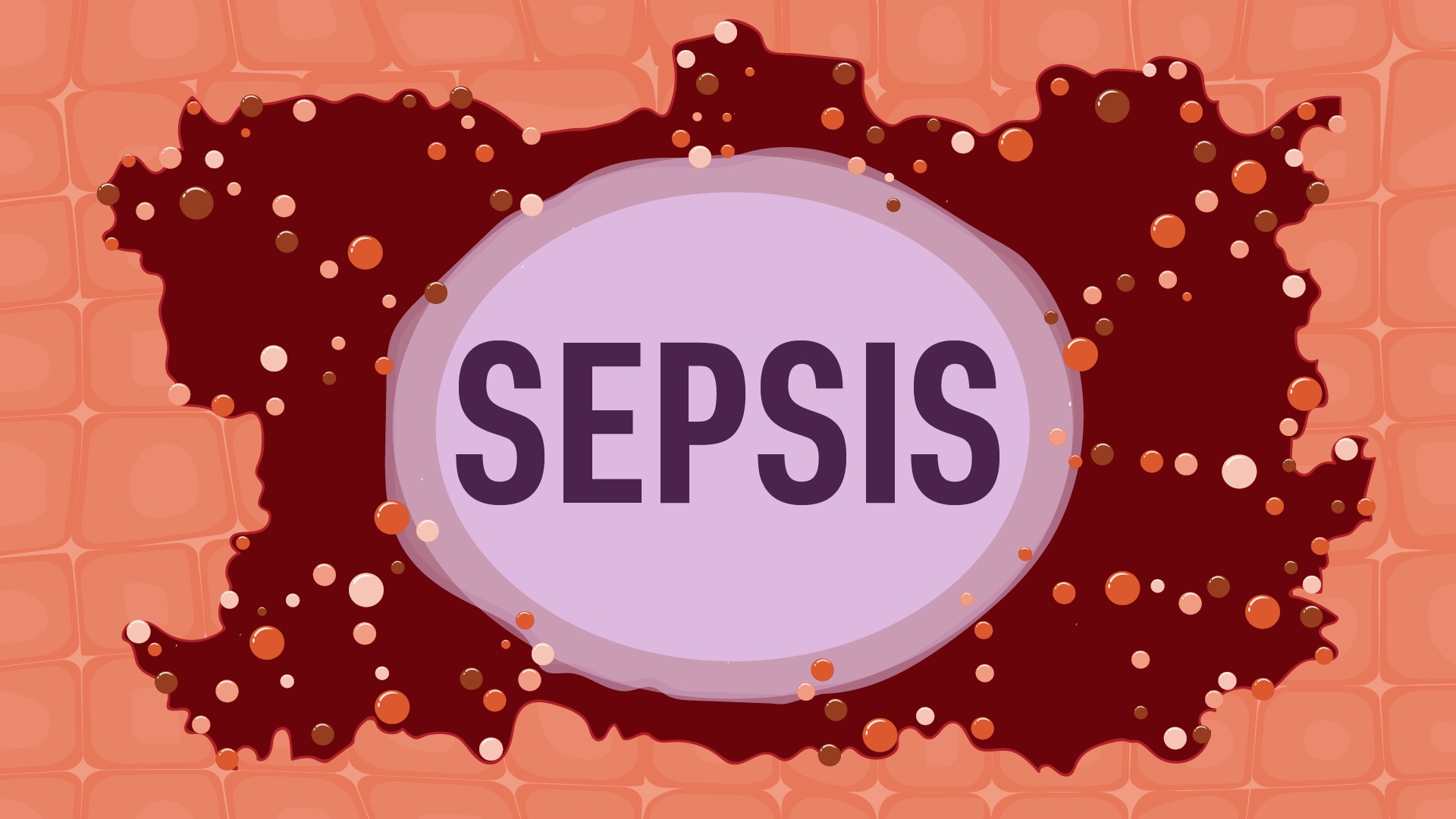
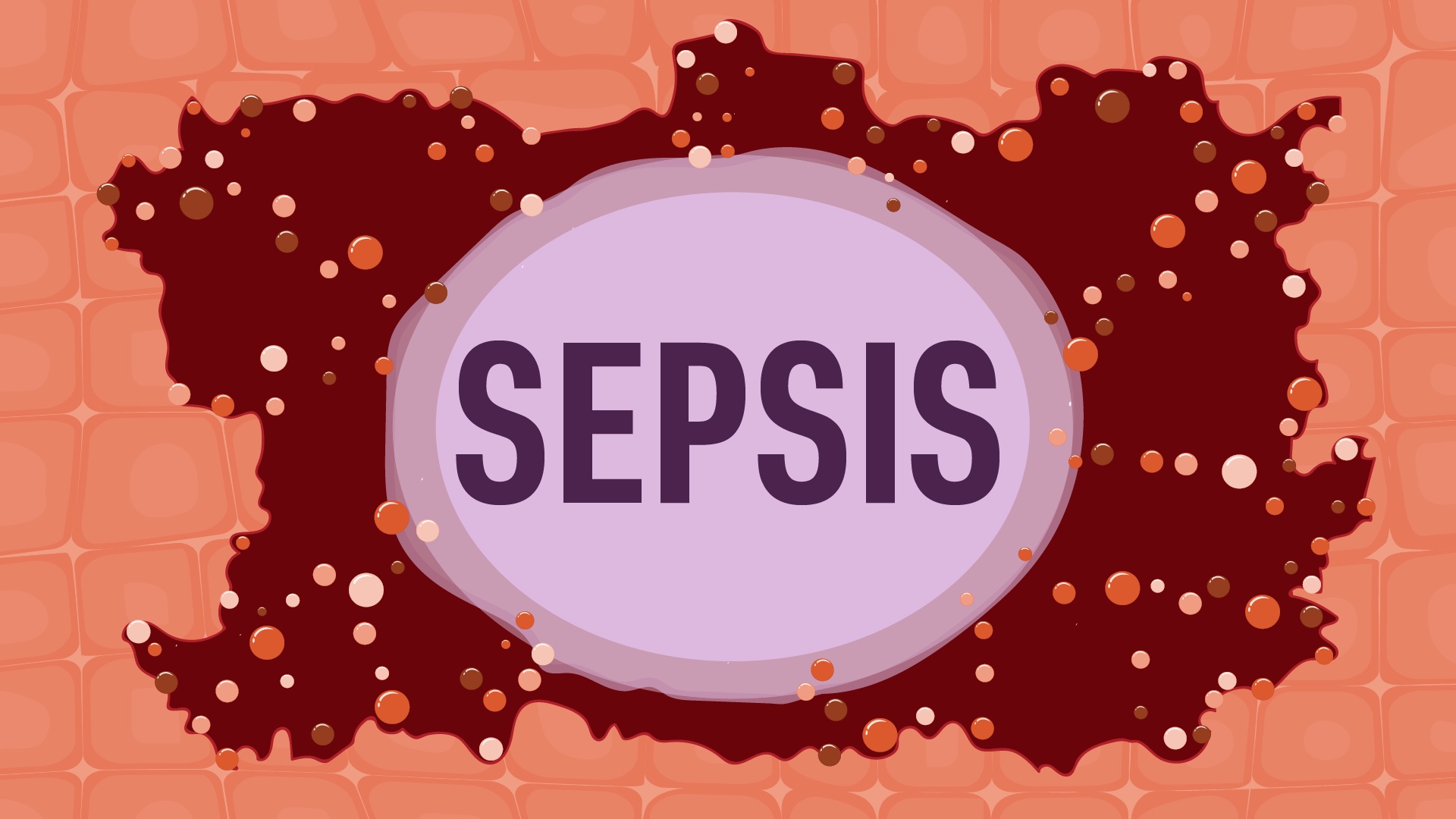
Cover image for: Sepsis
CPDTime.
49m
Updated 16 Dec 2024 Certificate2,073 Ratings
Sepsis is a life-threatening organ dysfunction caused by a dysregulated host response to infection and can lead to patient mortality. This Ausmed Course enables healthcare professionals to enhance their expertise with the essential skills to effectively understand, assess and manage sepsis in line with the National Safety and Quality Health Service (NSQHS) Standards and make a positive impact on patient outcomes.

Content

7 Units • 16 Questions
Pre-reflection
1 Question
Introduction
4m
Pretest
3 Questions
What is Sepsis?
2 Questions
4m
The Pathophysiology of Sepsis
3 Questions
5m
Recognition and Assessment
2 Questions
5m
Interventions and Management
3 Questions
10m
Post-Sepsis Syndrome
1 Question
3m
Conclusion
2m
Post-reflection
1 Question

What you'll learn:

1

Define sepsis and septic shock, including the systemic pathophysiological response.

2

Recognise the signs and symptoms of sepsis and correlate them with the various stages of severity.

3

Accurately utilise evidence-based assessment tools in order to facilitate early recognition, assess patients exhibiting signs of sepsis and respond accordingly in an efficient and safe manner.

4

Implement best-practice management guidelines in order to prevent deterioration in the patient with sepsis.

5

Develop a comprehensive understanding of the long-term effects of sepsis and best-practice management strategies for the provision of ongoing monitoring and follow-up care.

Who it's for:

Nurses, midwives, paramedics and other healthcare professionals looking to increase their understanding of sepsis.

Why it's needed:

Sepsis is a time-critical medical emergency that affects between 47 and 50 million people yearly, with at least 1 death every 2.8 seconds worldwide. In 2017, there were approximately 55,250 cases and 8,700 sepsis-related deaths in Australia, and national inpatient data shows that sepsis cases are increasing.

Educating healthcare professionals on sepsis can help improve their ability to recognise the signs and symptoms early and implement appropriate interventions promptly. This is reflective of the best practices outlined in NSQHS Standards 3 (Preventing and Controlling Infection) and 8 (Recognising and Responding to Acute Deterioration).

Early recognition and response can lead to a reduction in morbidity and mortality, better patient outcomes, and decrease the burden on healthcare systems. Therefore, ongoing education and training are crucial for healthcare professionals to provide high-quality care.

Purpose:

The purpose of this Ausmed Course is to provide learners with a deeper understanding of the signs, symptoms and interventions for sepsis in line with NSQHS Standards 3 (Preventing and Controlling Infection) and 8 (Recognising and Responding to Acute Deterioration) in order to efficiently and safely recognise and respond to the deteriorating patient, improve practice and reduce adverse or sentinel events.

Topics

For Teams
Assign to your staff

Assign mandatory training and keep all your records in-one-place.

Find out more


Peer reviewed by
Content Integrity
Ausmed strives for the highest level of content integrity and accuracy in our educational resources.
Last updated16 Dec 2024

Published07 Aug 2023

Due for review30 Dec 2026
Disclaimer
Disclosure
Usage
Cite this resource

Recommended resources

Image for Hypoglycaemia Management in Aged Care
Hypoglycaemia Management in Aged Care
CPDTime.resource
24m
Lecture
Image for Insomnia in Older Adults: Assessment and Management
Insomnia in Older Adults: Assessment and Management
CPDTime.resource
24m
Lecture
Image for Insomnia in Older Adults: Introduction and Causes
Insomnia in Older Adults: Introduction and Causes
CPDTime.resource
16m
Lecture
Image for Insulin Therapy in Aged Care
Insulin Therapy in Aged Care
CPDTime.resource
34m
Lecture
Image for Pathology Interpretation
Pathology Interpretation
CPDTime.resource
28m
Lecture
Image for Prediabetes
Prediabetes
CPDTime.resource
31m
Lecture
Image for Prehospital-Diabetic Emergencies
Prehospital-Diabetic Emergencies
CPDTime.resource
34m
Lecture
Image for Recognising and Managing Cardiogenic Shock
Recognising and Managing Cardiogenic Shock
CPDTime.resource
21m
Lecture
Image for Sliding Scale Insulin: Best Practice Update
Sliding Scale Insulin: Best Practice Update
CPDTime.resource
15m
Lecture
Image for Unsettled Babies, Colic and Reflux
Unsettled Babies, Colic and Reflux
CPDTime.resource
28m
Lecture