facebook-script
Ausmed Analytics™

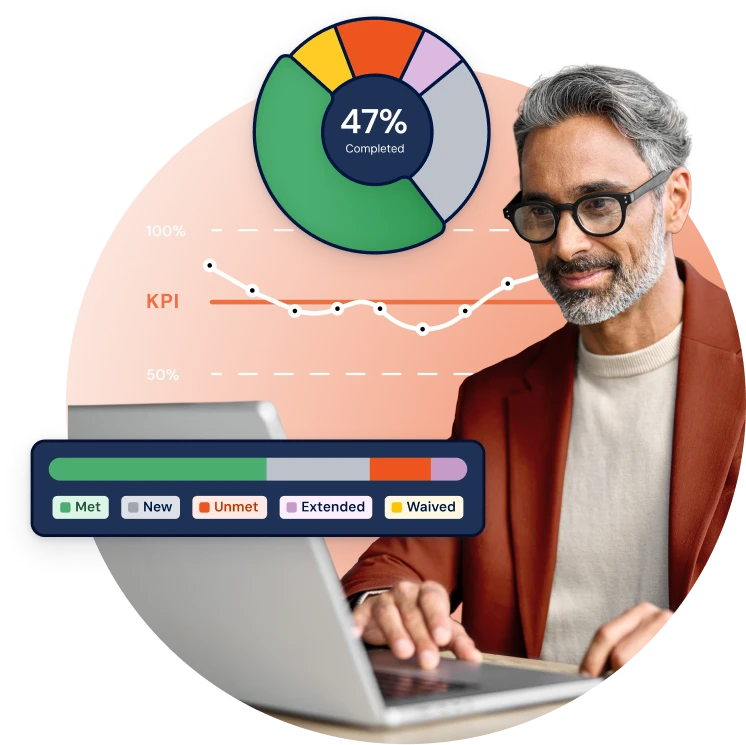
From data to actionable insights, in seconds.

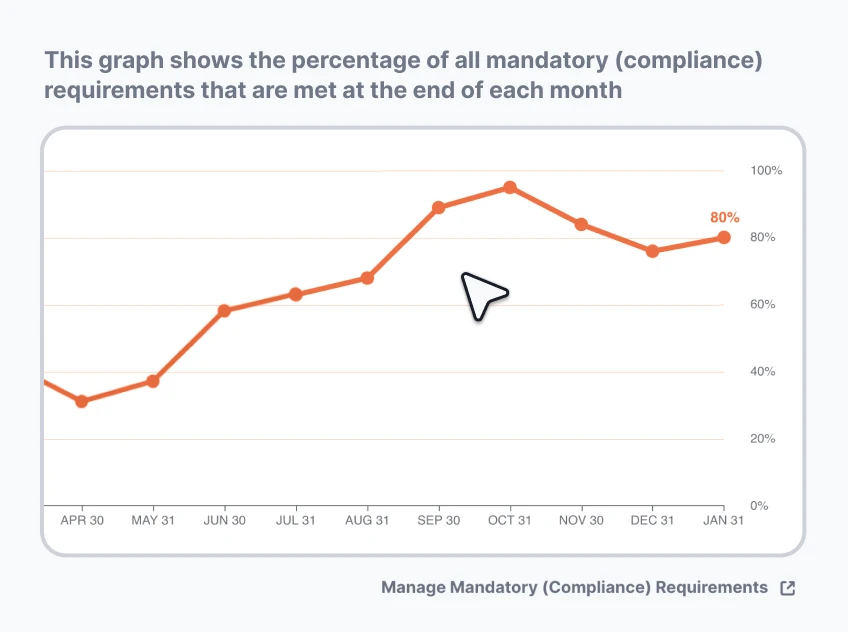
Make audits, executive presentations and manager updates fast, easy and effective by instantly transforming complex data into actionable insights.

Get a demo
Ausmed Analytics data insights
Use Ausmed Analytics™ your way

Use Ausmed Analytics™ your way

Request a demo

Effortlessly transform complex data into valuable reports when you need it most.
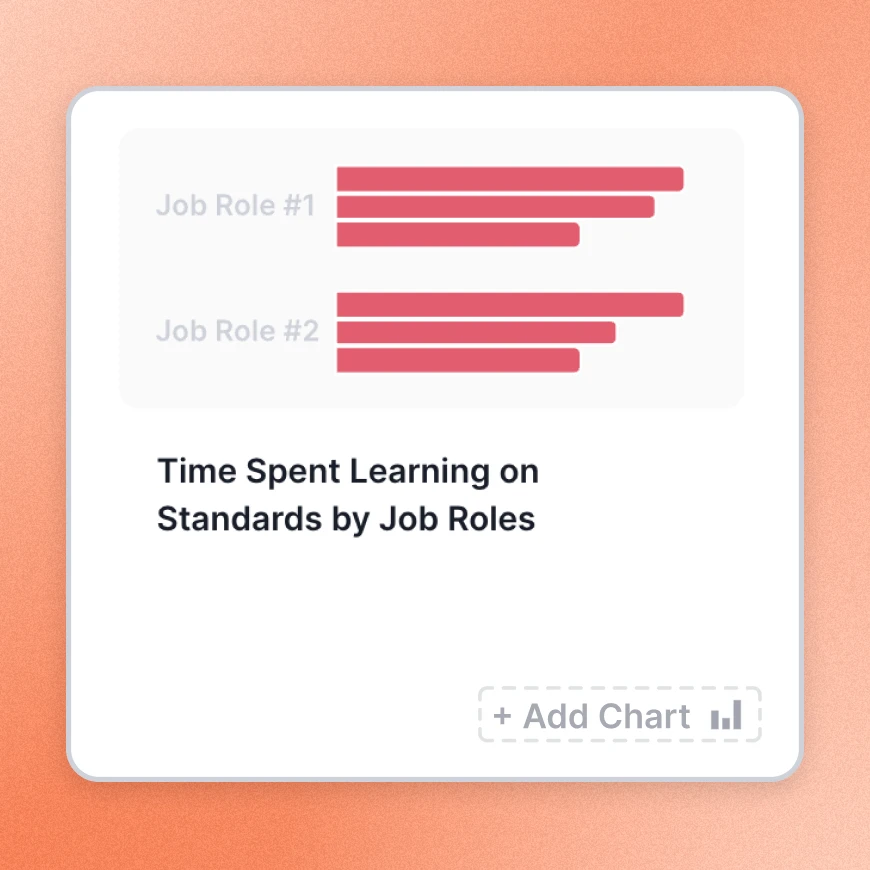
Role benchmarking

Compare learning investment across job roles to identify capability gaps and inconsistencies.
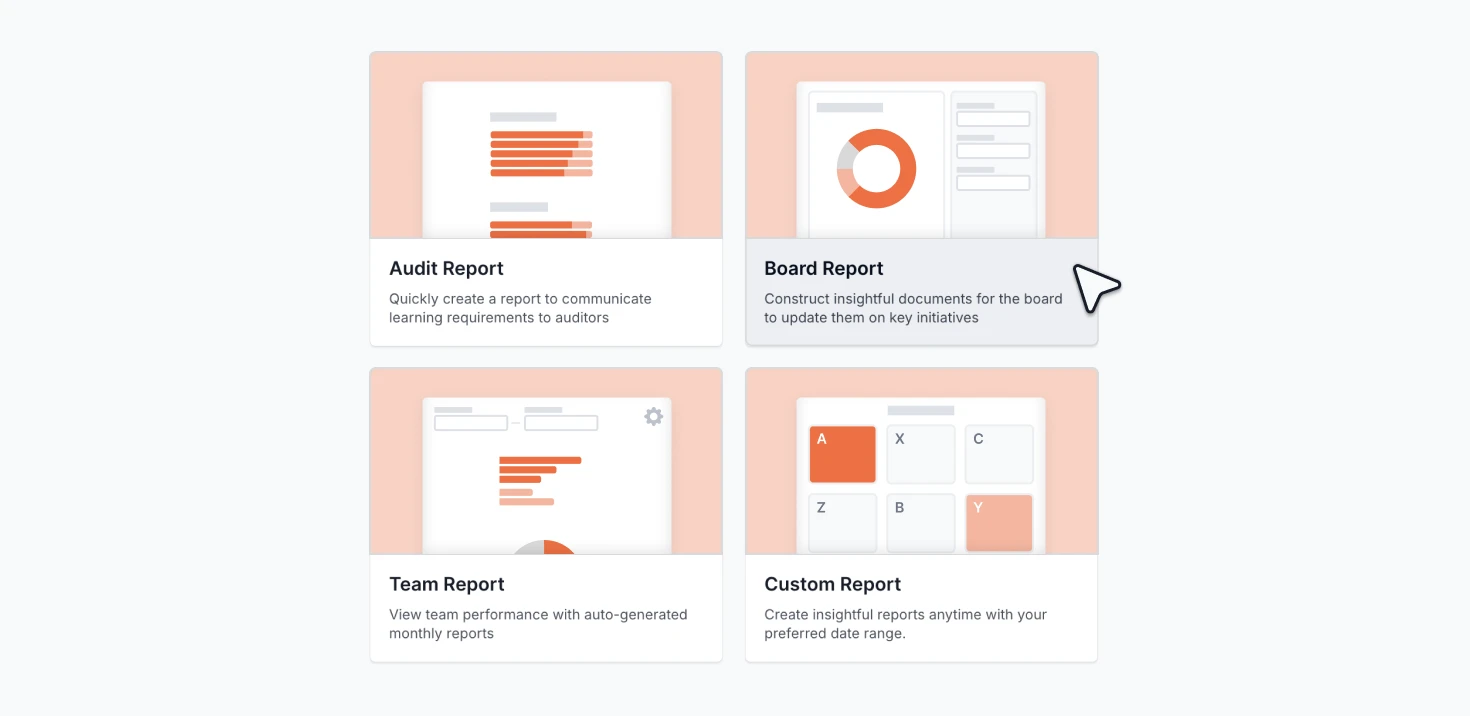
Effortlessly transform complex Learning, Policy and Performance data into valuable reports when you need them most.

Report against your entire workforce at a pinch

One-touch reporting

Use our template presets or build your own report based on Library, Learn and Policy data.

One-click audit reports

Determine preparedness for external and internal audits at a pinch.
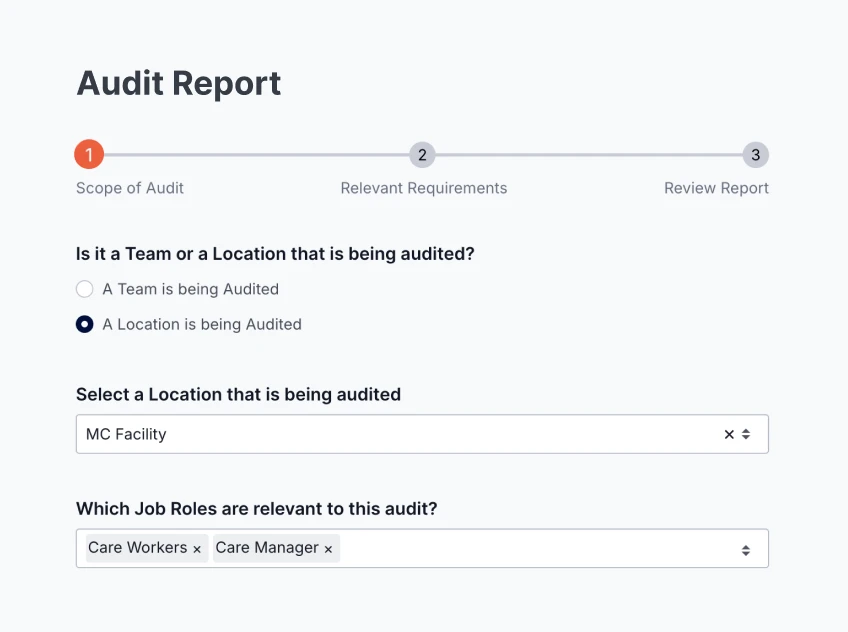
Audit reports
Team reports

Find gaps before they become issues

Compare and contrast sites, departments and roles.
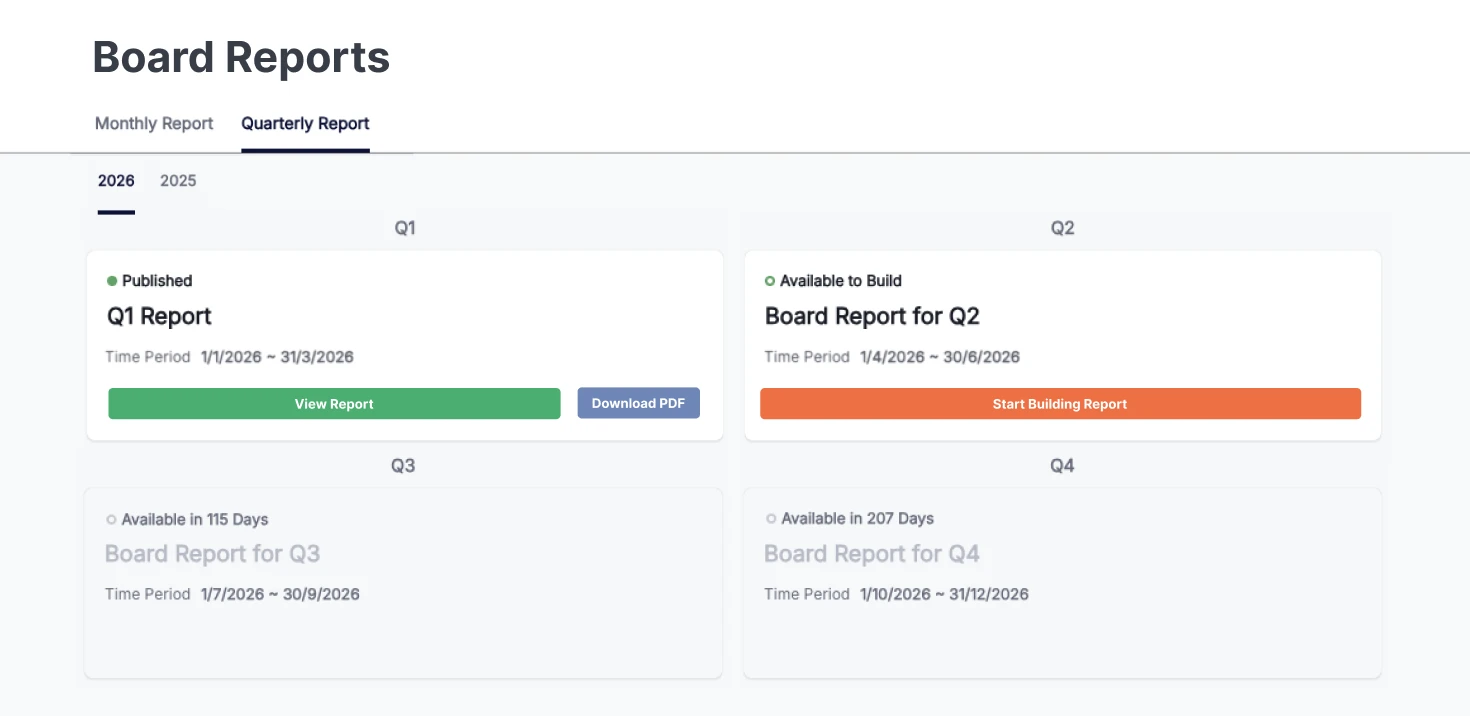
Data that your board can trust.

Board reports

Keep a history of Board Reports for every month's meeting.

It's time to raise the bar (chart)

Add Ausmed Analytics™ to your setup today.

Made for Australian Healthcare

Deepen your understanding

Mitigate key person risk

Enable the entire team to access and interpret crucial data with auto-generated monthly reports across your teams and locations.

Moment's-notice reporting

Ensure your entire team is prepared for compliance checks with up-to-date, easily accessible data.

One-click confidence

Know exactly where your organisation stands at any moment - generate audit-ready reports with a single click.

Made for the Strengthened Standards

Ausmed Analytics™ prepares you to meet requisite governance, workforce planning, and training outcomes mandated under Standard 2: The Organisation.

Request Demo

Frequently asked questions

What is the difference between reporting and analytics?

Reporting gives structured, point-in-time outputs for oversight and audits (e.g., "who is compliant today"). Analytics surfaces patterns and trends over time so leaders can spot risks early and decide what to do next.

  • Reporting → fixed summaries, filters and exports for evidence
  • Analytics → trends, cohorts, benchmarks and drill-downs for decisions
  • Example (reporting): a Requirement State snapshot by site and role
  • Example (analytics): a 6-month trend showing completion rates slipping on night shift
  • Together: reporting proves status; analytics improves future performance
What are requirement records and learning records?

In Analytics, these are the core data inputs. Requirement records define what's expected (who needs what, by when), while learning records show what individuals actually did, with evidence attached.

  • Requirement record: audience (role/site/team), due/refresh cycle, status
  • Learning record: activity/provider, date, duration/credits, evidence, expiry
  • Analytics links them to show coverage, gaps and risk by cohort
What is included in the Advanced Audit, Board and Team reports?

Each view supports a different decision-maker. Board views summarise risk and progress at a glance; Team views help managers act on due/overdue items; Audit views provide detailed, user-level evidence.

  • Board: compliance %, overdue by standard/risk area, trends quarter-on-quarter
  • Team: your people only - due soon/overdue lists, quick reminders, filters by role/unit
  • Audit: per-user/per-requirement status, timestamps, version history, evidence links
  • Exports (CSV/PDF) for meetings and accreditation packs
How does learning evaluation work and what should we do with feedback?

Evaluation collects learner/manager feedback and assessment data to improve quality and relevance. Use these insights to refine content, delivery and requirements, then re-measure.

  • Collect: quick post-learning surveys, knowledge-check results, comments, usage
  • Act: update/retire content, add local context, adjust length/format (e.g., microlearning)
  • Clarify: tighten requirement wording and due dates; align to standards where appropriate
  • Close the loop: share changes with teams and track impact in subsequent cycles

Unlock smarter, faster decision-making with Ausmed Analytics™

Get Started