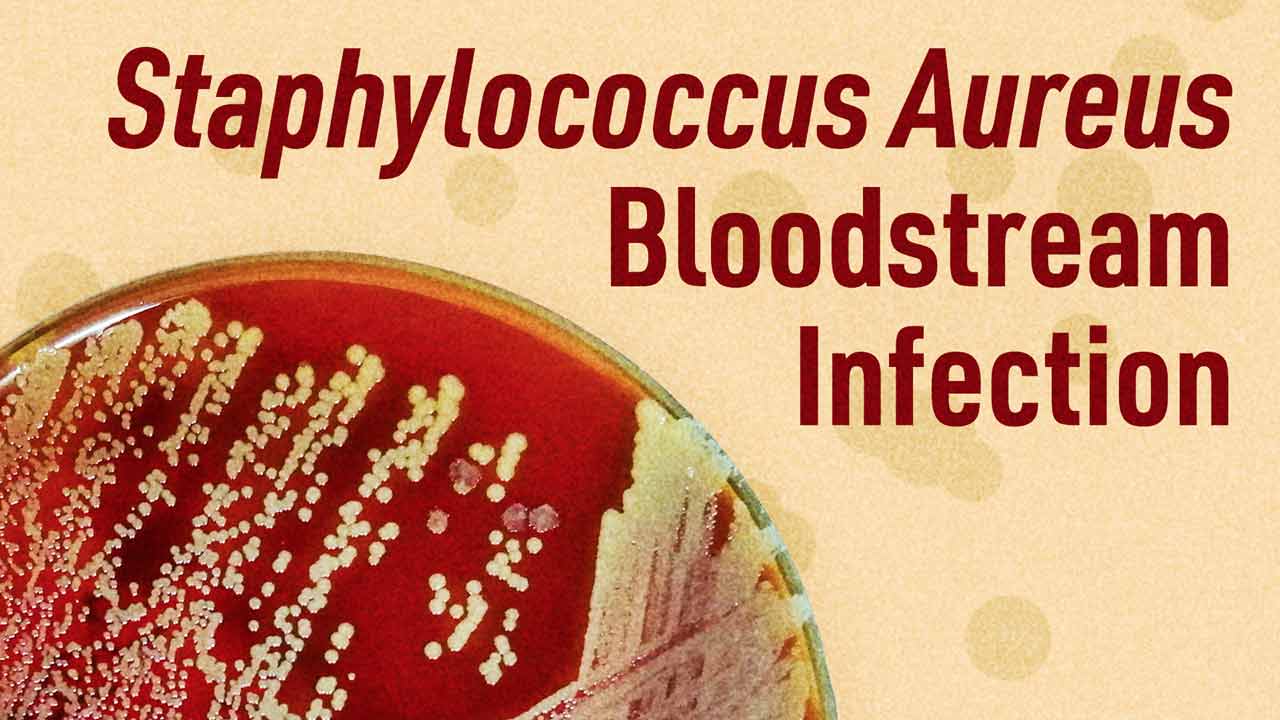
Staphylococcus aureus bloodstream infection (SABSI) - commonly known as 'golden staph' or 'S.aureus' - is a bacterium that many people carry without ever knowing it. Usually harmless, it can become dangerous if it enters the blood stream and remains a significant contributor to morbidity and mortality worldwide (DOH TAS 2024).
What is Staphylococcus Aureus?
S.aureus is one of around 40 species of Staphylococcus bacteria, which can be found on an individual’s skin and mucous membranes (RCHM 2018). It is carried by approximately 20% of the population at any given time, with approximately 60% of people colonised periodically throughout their lifetime (SA Health 2022). While S. aureus is commonly carried without symptoms, it has the potential to develop into many different types of infections.
Types of Staphylococcus Aureus Infections
S. aureus commonly causes skin infections such as impetigo, boils, abscesses, cellulitis, necrotising fasciitis and staphylococcus scalded skin syndrome (SSSS). These infections result from bacteria breaking the skin’s barrier and are especially prevalent when an individual has broken skin, such as an open wound. S. aureus also has the ability to grow within food, causing gastroenteritis (Healthdirect 2024b; Queensland Health 2024).
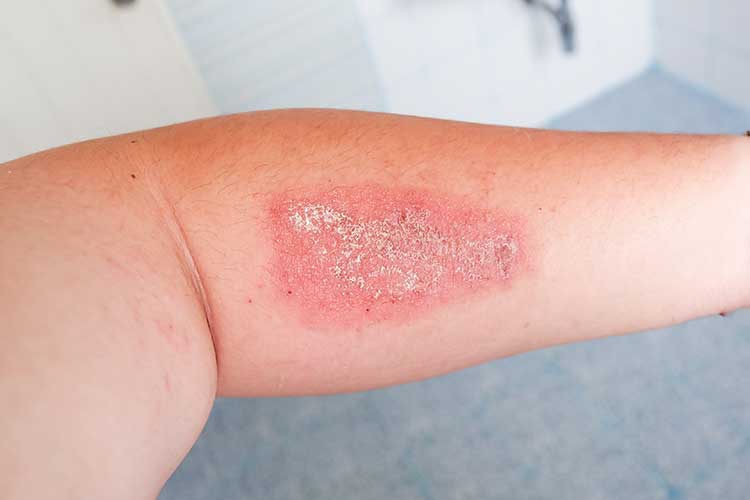
Once S. aureus is able to penetrate into the bloodstream, it can lead to a severe life-threatening infection known as Staphylococcus aureus bloodstream infection (SABSI).
Complications of developing SABSI may include:
- Sepsis
- Secondary metastatic infections
- Osteomyelitis
- Septic arthritis
- Staphylococcal pneumonia
- Lung abscess
- Staphylococcal endocarditis
- Cardiac implantable electronic device (CIED) infection
- Staphylococcal toxic shock syndrome
- Recurrent infection
- Prolonged hospital stay
- In severe cases, even death.
(DOH WA 2024; Abraham & Bamberger 2020; Therapeutic Guidelines 2025)
Causes of SABSI
S. aureus is most commonly transmitted through direct contact with an infected person's skin, or indirectly via contaminated surfaces and personal items such as towels and linen (SA Health 2022). In healthcare settings, SABSI in particular can be caused by skin-penetrating procedures and invasive medical devices (ACSQHC 2021).
Other risk factors may include:
- Prolonged hospital admissions
- A weakened immune system
- Prolonged antibiotic use
- Use of injection medicines
- Older age
- Chronic diseases (e.g. diabetes, rheumatoid arthritis
(Healthdirect 2024a; Abraham & Bamberger 2020)
SABSI acquired in healthcare settings is referred to as a healthcare-associated Staphylococcus aureus bloodstream infection. SABSI acquired outside of healthcare settings is considered community-acquired.
Identifying SABSI
There are different types of symptoms that may present with SABSI, depending on the variation of the infection.
Common symptoms may include:
- Signs of infection
- Boils and/or pus-filled sores
- Red/swollen/warm skin
- Pain
Symptoms indicating a more serious infection include:
- Feeling unwell
- Confusion
- A temperature >38°C
- Uncontrollable shaking
- Shortness of breath
- Difficulty moving a joint
- Blood spots in eyes, bleeding underneath fingernails and toenails
- Sunburn-like rash
(Healthdirect 2024a; Healthdirect 2024c)
If a person is suspected of having SABSI, two sets of blood cultures should be taken immediately. The two sets of blood cultures should be aseptically taken from two different venepuncture sites and preferably not from an intravascular device. If the two results don’t match, further investigation is required.
Healthcare-Acquired Staphylococcus Aureus Bloodstream Infection
In 2020, a national target of 1.0 HA-SABSI cases per 10,000 patient days was collectively agreed upon across all Australian states and territories. For reporting purposes, Australian hospitals are required to distinguish whether an infection was healthcare-associated or community-acquired (AIHW 2026).
A SABSI is considered to be healthcare-associated (HA-SABSI) if either:
- An initial positive blood culture is taken more than 48 hours after admission (with no evidence the infection was present upon admission) or within 48 hours after discharge, OR
- An initial positive blood culture is taken 48 hours or less after admission, AND:
- The infection is the result of an invasive device complication, or
- The infection occurred within 30 days of a surgical procedure and is related to the surgical site (90 days for deep incisional/organ space infections related to a surgically implanted device), or
- The infection was diagnosed within 48 hours of an invasive instrumentation or incision that is related to the infection, or
- The infection is related to neutropenia contributed to by cytotoxic therapy.
(ACSQHC 2021)
Methicillin-resistant Staphylococcus Aureus (MRSA) Infection
Methicillin-resistant Staphylococcus aureus (MRSA) is a strain of S. aureus that, over time, has developed resistance to certain antibiotics (e.g. vancomycin, penicillin, etc.), making it more difficult to treat. It can present as either HA-SABSI or CA-SABSI, and is associated with poorer patient outcomes (AIHW 2026).
The rise of MRSA and antimicrobial resistance (AMR) has significantly increased morbidity, mortality, and healthcare costs worldwide. In response, hospitals in Australia are required to implement antimicrobial stewardship programs. These programs aim to guide evidence-based decisions on antimicrobial selection, dosing, and duration to improve clinical outcomes and patient safety (ACSQHC 2023).
Prevention
Hand hygiene is vital for preventing S. aureus infections. All healthcare professionals and workers must adhere to the 5 Moments for Hand Hygiene (DoH Victoria 2023).
Other prevention strategies, particularly in healthcare settings, include:
- Adhering to aseptic technique, particularly during procedures
- Utilising the correct personal protective equipment (PPE)
- Where possible, designating a single room and non-critical equipment (e.g. stethoscope) to the patient
- Storing the patient’s charts outside of the room
- Ensuring any wounds or lesions are covered and discharge is contained
- Ensuring linen, belongings and equipment are cleaned or disposed of as per the organisation’s policies
- Encouraging patients and visitors to engage in hand hygiene.
(SA Health 2025)
Treatment
SABSI is typically treated with at least 14 days of intravenous antibiotics, though more severe or complicated cases may need up to 6 weeks of IV therapy. An infectious diseases physician will guide the treatment plan, which differs depending on patient factors and the specific strain or infection.

For example, osteomyelitis caused by S. aureus could require several months of oral antibiotics. Ongoing patient review and monitoring are required to evaluate the effectiveness of the treatment plan (SA Health 2023). Verbal and written guidance should be provided to the patient and their family regarding relapse symptoms and that urgent review is required if they occur (Therapeutic Guidelines 2025).
Test Your Knowledge
Question 1 of 3
True or false: Staphylococcus aureus infection is a possible cause of food poisoning.
Topics
References
- Australian Commission on Safety and Quality in Health Care 2021, Implementation Guide for the Surveillance of Staphylococcus Aureus Bloodstream Infection, Australian Government, viewed 16 April 2026, https://www.safetyandquality.gov.au/resources/implementation-guide-surveillance-staphylococcus-aureus-bloodstream-infection
- Australian Institute of Health and Welfare 2026, Staphylococcus aureus bloodstream infections, Australian Government, viewed 16 April 2026, https://www.aihw.gov.au/hospitals/topics/admitted-patient-safety-and-quality/sabsi
- Abraham L & Bamberger D 2020, Staphylococcus aureus Bacteremia: Contemporary Management, Missouri Medicine, viewed 15 April 2026, https://pmc.ncbi.nlm.nih.gov/articles/PMC7431060/
- Department of Health Tasmania 2008, Staphylococcus Aureus Bloodstream Infection (SABSI) Surveillance Protocol V6, 2008, updated 2024, https://www.health.tas.gov.au/sites/default/files/2024-06/staphylococcus_aureus_bloodstream_infection_sabsi_surveillance_protocol_v6_accessible.pdf
- Department of Health Victoria 2023, Infection control - standard and transmission-based precautions, Victoria State Government, viewed 16 April 2026, https://www.health.vic.gov.au/infectious-diseases/infection-control-standard-and-transmission-based-precautions
- Healthdirect 2024a, Invasive Staph Infections, Australian Government, viewed 16 April 2026, https://www.healthdirect.gov.au/invasive-staph-infections
- Healthdirect 2024b, Staph Skin Infection, Australian Government, viewed 16 April 2026, https://www.healthdirect.gov.au/staph-skin-infection
- Healthdirect 2024c, Staph Infections, Australian Government, viewed 20 April 2026, https://www.healthdirect.gov.au/staph-infections
- Queensland Health 2024, Staphylococcus Aureus Food Act 2006, Queensland Government, viewed 16 April 2026, https://www.health.qld.gov.au/__data/assets/pdf_file/0024/1402656/staphylococcus-aureus.pdf
- SA Health 2025, Methicillin-resistant Staphylococcus aureus (MRSA) Infection Prevention and Control (IPC) Clinical Guideline, Government of South Australia, viewed 16 April 2026 https://www.sahealth.sa.gov.au/wps/wcm/connect/bd32928042372b299e5bfeef0dac2aff/Clinical_Guideline_Methicillin_resistant_Staphylococcus_aureus_%28MRSA%29_infection_prevention_and_control_V3.1.%2B28.09.2020docx.pdf?MOD=AJPERES&%3Bamp%3BCACHEID=ROOTWORKSPACE-bd32928042372b299e5bfeef0dac2aff-nzktmYB
- SA Health 2023, Staphylococcus aureus Bacteraemia (SAB) Management Clinical Guideline (Adult), Government of South Australia, viewed 16 April 2026, https://www.sahealth.sa.gov.au/wps/wcm/connect/public+content/sa+health+internet/about+us/governance/policy+governance/policies/staphylococcus+aureus+bacteraemia+sab+management+clinical+guideline
- SA Health 2022, Staphylococcus Aureus Including Methicillin-Resistant Staphylococcus Aureus (MRSA) — Including Symptoms, Treatment and Prevention, SA Health, Government of South Australia, viewed 16 April 2026, https://www.sahealth.sa.gov.au/wps/wcm/connect/public+content/sa+health+internet/conditions/infectious+diseases/staphylococcus+aureus+including+methicillin-resistant+staphylococcus+aureus+mrsa/staphylococcus+aureus+including+methicillin-resistant+staphylococcus+aureus+mrsa+-+including+symptoms+treatment+and+prevention
- Queensland Government 2017, Staphylococcus Aureus Infection, Queensland Government, viewed 28 February 2024, http://conditions.health.qld.gov.au/HealthCondition/condition/14/33/132/staphylococcus-aureus-infection
- The Royal Children's Hospital Melbourne 2018, Staphylococcal Infections, viewed 15 April 2026, https://www.rch.org.au/kidsinfo/fact_sheets/staphylococcal_infections/
- Therapeutic Guidelines 2025, Staphylococcus Aureus Bacteraemia, Including Sepsis and Septic Shock, Therapeutic Guidelines Limited, viewed 21 April 2026, https://www.tg.org.au/
- VICNISS 2024, What is Surveillance?, VICNISS, viewed 1 March 2024, https://uat.vicniss.org.au/about/about-surveillance/what-is-surveillance/
- WA Department of Health 2024, Guidelines for investigating and reporting healthcare associated Staphylococcus aureus bloodstream infections, Government of Western Australia, viewed 16 April 2026, https://www.health.wa.gov.au/~/media/Corp/Documents/Health-for/Communicable-Diseases/Guidelines/Guidelines-for-investigating-and-reporting-healthcare-associated-Staphylococcus-aureus-bloodstream-i.pdf
Additional Resources
- Implementation Guide for the Surveillance of Staphylococcus Aureus Bloodstream Infection | ACSQHC
- Appropriate Antibiotic use in Aged Care | Ausmed Article
- Donning and Doffing PPE Correctly | Ausmed Article
- Effective Surface and Environment Cleaning | Ausmed Article
- Hand Hygiene 101 | Ausmed Article
- Infectious Diseases: How Do You Break the Chain? | Ausmed Article
- Surveillance of Healthcare-Associated Infections | Ausmed Article
- Antimicrobial Resistance and Stewardship | Ausmed Course