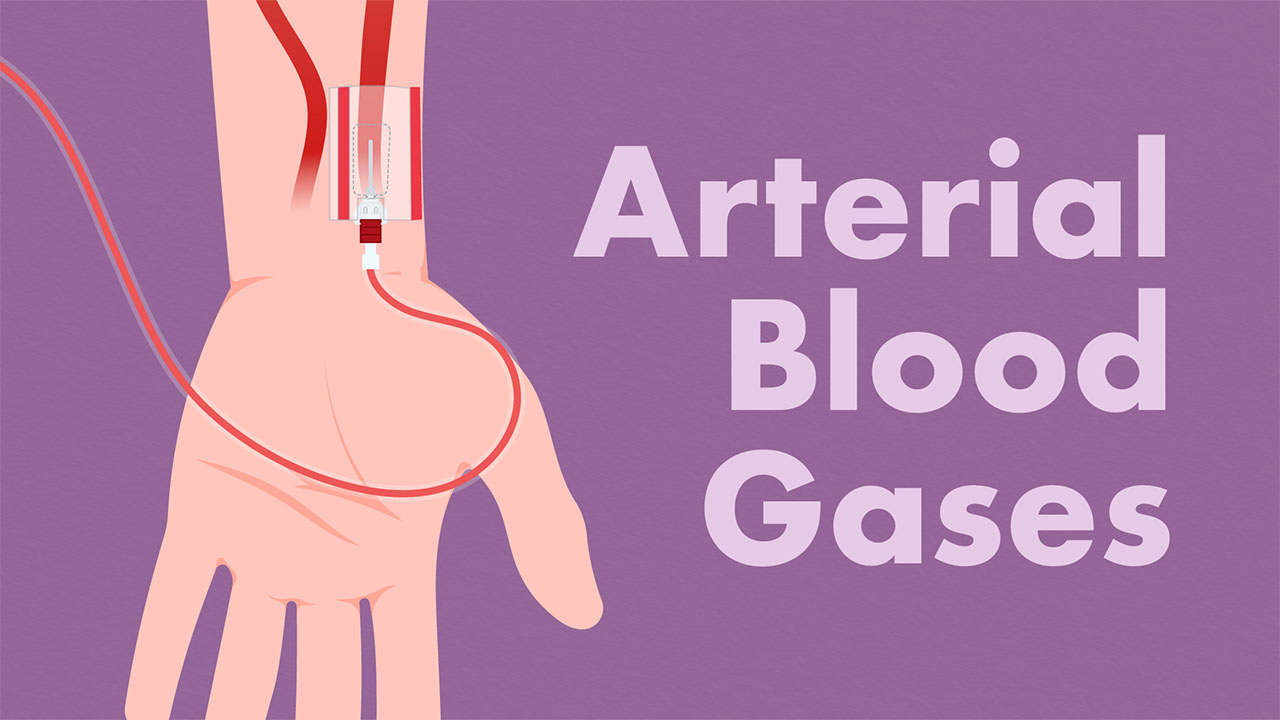
Arterial Blood Gases
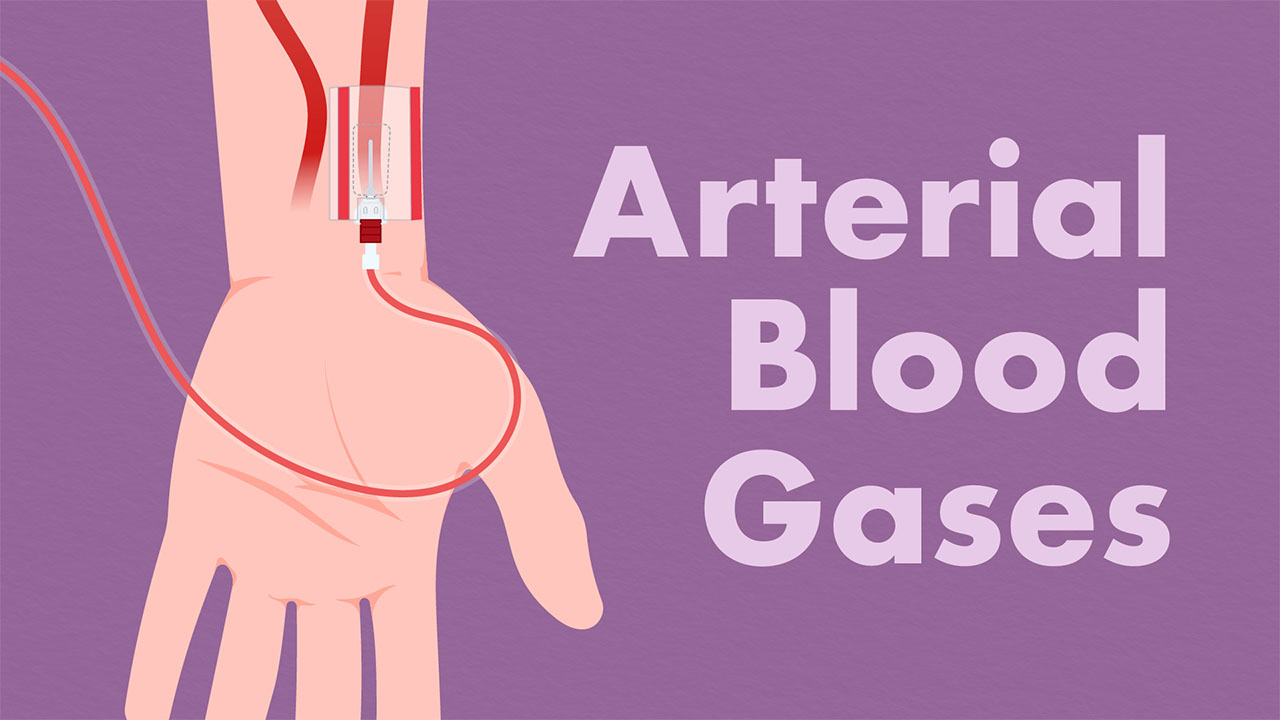
Cover image for: Arterial Blood Gases
CPDTime.
54m
Updated 17 Dec 2024 Certificate1,030 Ratings
Refresh your knowledge of basic arterial blood gas (ABG) results interpretation and their relationship to metabolic and respiratory abnormalities with this in-depth Ausmed Course!

Content

5 Units • 15 Questions
Pre-reflection
1 Question
Introduction
2m
Pretest
3 Questions
What is an Arterial Blood Gas Analysis?
3 Questions
2m
Arterial Blood Gas Analysis
2 Questions
12m
Interpreting the Results of an Arterial Blood Gas
5 Questions
20m
Conclusion
2m
Post-reflection
1 Question

What you'll learn:

1

Know the basics of performing an arterial blood gas analysis.

2

Understand normal and abnormal arterial blood gas levels.

3

Describe compensatory mechanisms and the classification of acid-base disorders.

4

Appreciate how blood gas analysis can assist in patient care.

Who it's for:

Healthcare professionals in all settings, but particularly for those working in acute care settings, emergency departments, and critical care.

Why it's needed:

There are textbooks devoted to arterial blood gas interpretation, however, there’s no point going into complex biochemistry if you don’t have a solid understanding of the basics.

Most of the time, basic ABG interpretation is all that is needed, and having the skill to recognise a problem, a potential cause, and maybe even a treatment, can save someone’s life.

Some other oversimplified methods of understanding ABGs may help diagnose the overall arterial blood gas but they fail in helping us understand what it means for our patient.

This course aims to find a balance between giving learners the confidence to relate what they are interpreting back to their patient, while using a simple to understand five-step method.

Purpose:

The purpose of this Ausmed Course is to give learners the confidence to relate meaning from arterial blood gas (ABG) results back to their patient using an easy to understand method.

Topics

For Teams
Assign to your staff

Assign mandatory training and keep all your records in-one-place.

Find out more

Content Integrity
Ausmed strives for the highest level of content integrity and accuracy in our educational resources.
Last updated17 Dec 2024

Published07 Jun 2022

Due for review30 Dec 2029
Disclaimer
Disclosure
Usage
Cite this resource

Recommended resources

Image for Hypoglycaemia Management in Aged Care
Hypoglycaemia Management in Aged Care
CPDTime.resource
24m
Lecture
Image for Insomnia in Older Adults: Assessment and Management
Insomnia in Older Adults: Assessment and Management
CPDTime.resource
24m
Lecture
Image for Insomnia in Older Adults: Introduction and Causes
Insomnia in Older Adults: Introduction and Causes
CPDTime.resource
16m
Lecture
Image for Insulin Therapy in Aged Care
Insulin Therapy in Aged Care
CPDTime.resource
34m
Lecture
Image for Pathology Interpretation
Pathology Interpretation
CPDTime.resource
28m
Lecture
Image for Prediabetes
Prediabetes
CPDTime.resource
31m
Lecture
Image for Prehospital-Diabetic Emergencies
Prehospital-Diabetic Emergencies
CPDTime.resource
34m
Lecture
Image for Recognising and Managing Cardiogenic Shock
Recognising and Managing Cardiogenic Shock
CPDTime.resource
21m
Lecture
Image for Sliding Scale Insulin: Best Practice Update
Sliding Scale Insulin: Best Practice Update
CPDTime.resource
15m
Lecture
Image for Unsettled Babies, Colic and Reflux
Unsettled Babies, Colic and Reflux
CPDTime.resource
28m
Lecture