Wound Assessment
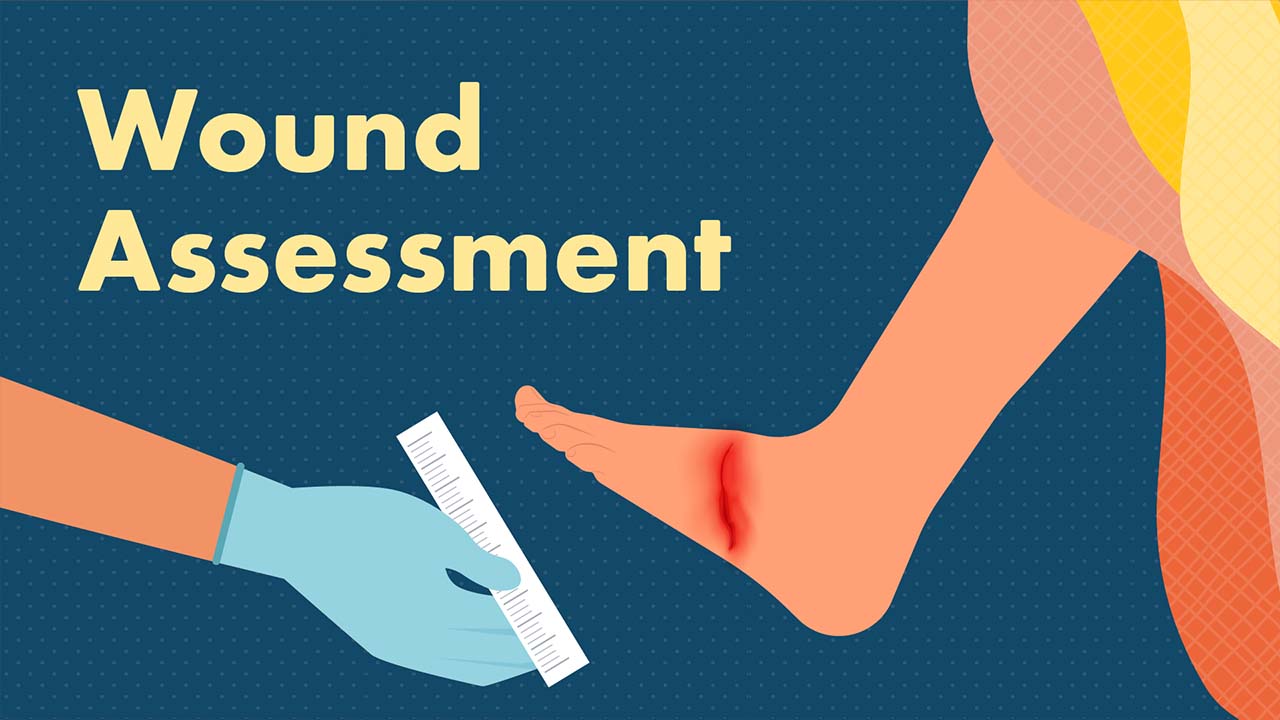
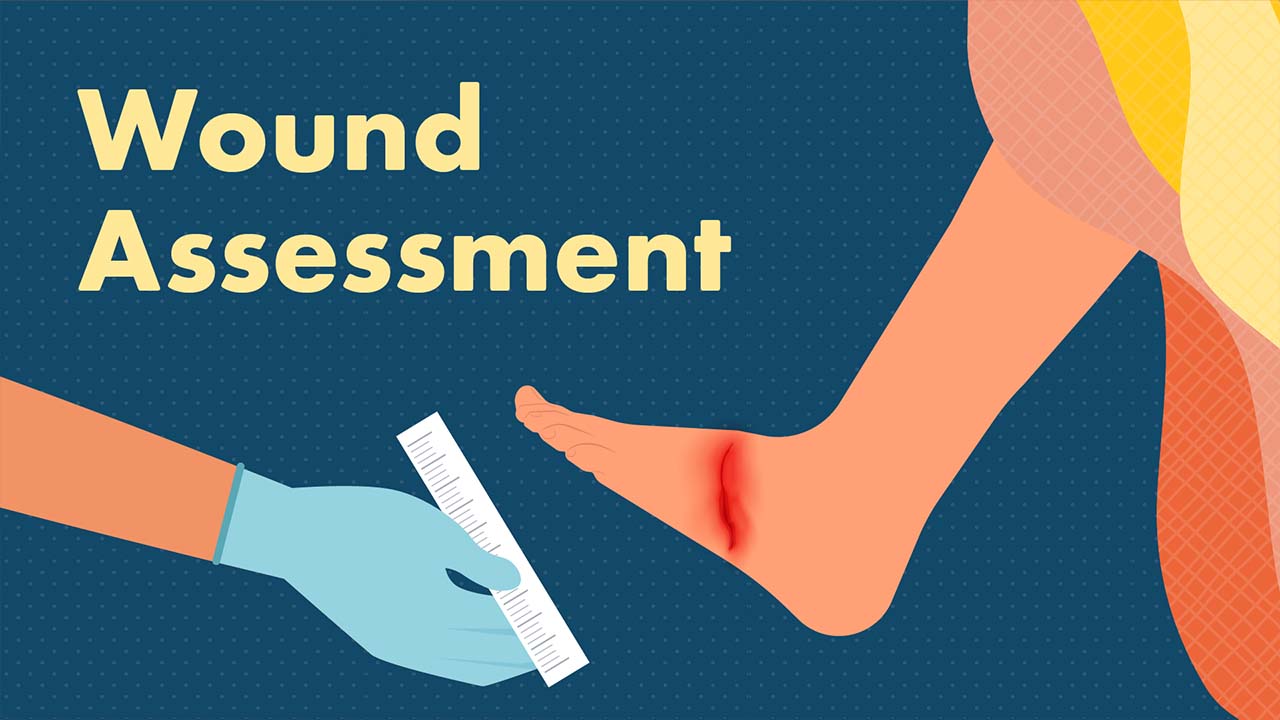
Conducting a comprehensive wound assessment is a pivotal moment in wound care and effective wound healing. Performed correctly, wound assessment findings can inform how and what the best treatment pathways are for any patient experiencing a wound.
On the other hand, an incorrect or inadequate wound assessment can lead to a series of detrimental outcomes and escalating challenges for both patient and clinician, such as severe pain, restricted mobility, feelings of isolation, higher healthcare costs and even eventual deterioration.
This Ausmed Course provides healthcare professionals with the knowledge and understanding to perform a comprehensive and holistic wound assessment. Guided by current evidence and best-practice techniques, learners will enhance their skills to improve wound outcomes of the patients in their care.
Content
What you'll learn:
Analyse contributing factors that affect wound healing and how they can impact patient outcomes.
Accurately differentiate between different wound types in order to ensure appropriate care is provided to the patient.
Apply a holistic approach to wound assessment, considering the patient and key clinical indicators of the wound.
Apply understanding of appropriate wound measurement tools and techniques to accurately quantify wound dimensions and healing progress.
Implement best-practice methods for documentation when conducting a wound assessment.
Who it's for:
Why it's needed:
Comprehensive assessment is the foundation for effective wound management. It provides a basis to develop and implement personalised treatment plans, monitor progress and improve outcomes overall.
Incomplete or inadequate wound assessments can lead to poor wound management, which might impede outcomes for patients, frustrate clinicians and result in higher healthcare costs.
Despite its importance, many healthcare professionals lack formal training on how to correctly conduct a wound assessment. This leads to inconsistent evaluations, which further contributes to this issue. Knowledge, skills and confidence in wound assessment results in reliable and consistent information that contributes to achieving optimal patient outcomes.
Therefore, wound assessment education grounded in comprehension and fostering reliable and consistent assessments is necessary in order to empower healthcare professionals to make informed choices, enhance wound care and yield improved patient outcomes.
Purpose:
Topics
Assign mandatory training and keep all your records in-one-place.
Find out more

Recommended resources