Basic ECG Interpretation
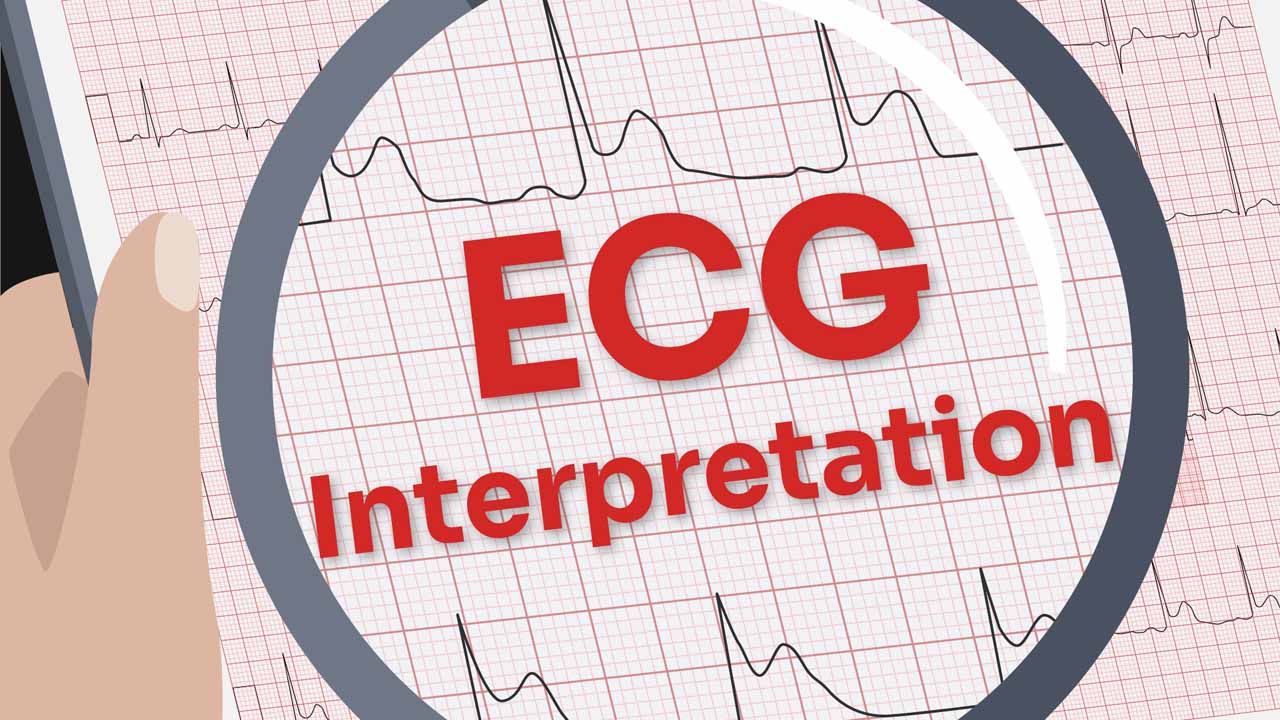
Electrocardiography (ECG) is a vital tool in patient assessment, helping healthcare professionals detect cardiac abnormalities, monitor heart function and make timely clinical decisions. Are you equipped with the knowledge and confidence to interpret ECGs accurately?
This Ausmed Course is designed to equip healthcare professionals with the knowledge and skills needed to accurately interpret 12-lead ECGs. Gain confidence in identifying abnormalities, recognising life-threatening arrhythmias and making timely clinical decisions to improve patient outcomes and deliver better overall cardiovascular care.
Content
What you'll learn:
Demonstrate an understanding of the basic principles of ECG, including key components (P wave, QRS complex, T wave) and the 12-lead system.
Explain key concepts relating to the heart such as how the cardiac conduction system functions.
Accurately identify common cardiac rhythms.
Use a systematic approach to interpret a 12-lead ECG.
Identify key concerns on a 12-lead ECG that require timely escalation.
Apply ECG interpretation skills to patient cases, integrating clinical history and findings to make better informed clinical decisions.
Who it's for:
Why it's needed:
Electrocardiograms (ECGs) are essential for diagnosing heart rhythms, providing a baseline of an individual’s normal ECG, aiding in identifying structural heart problems or detecting acute cardiac events like a heart attack.
ECGs form part of routine and emergency care in just about every healthcare setting. Gaining a thorough basic understanding of 12-lead ECG interpretation allows healthcare professionals to identify or rule out potential causes for deterioration and can guide important treatment decisions.
An estimated 580,000 Australians aged 18 and over have experienced coronary heart disease (CHD) at some point in their lives, according to data from the 2017–18 National Health Survey. Among those with CHD, 227,000 have experienced angina and 430,000 have had a heart attack or another form of CHD. Given the prevalence of these conditions, the ability to quickly and accurately interpret an ECG is critical for healthcare professionals involved in delivering care.
Purpose:
Topics
Assign mandatory training and keep all your records in-one-place.
Find out more

Recommended resources