Incident Reporting: Hospital and Health Services
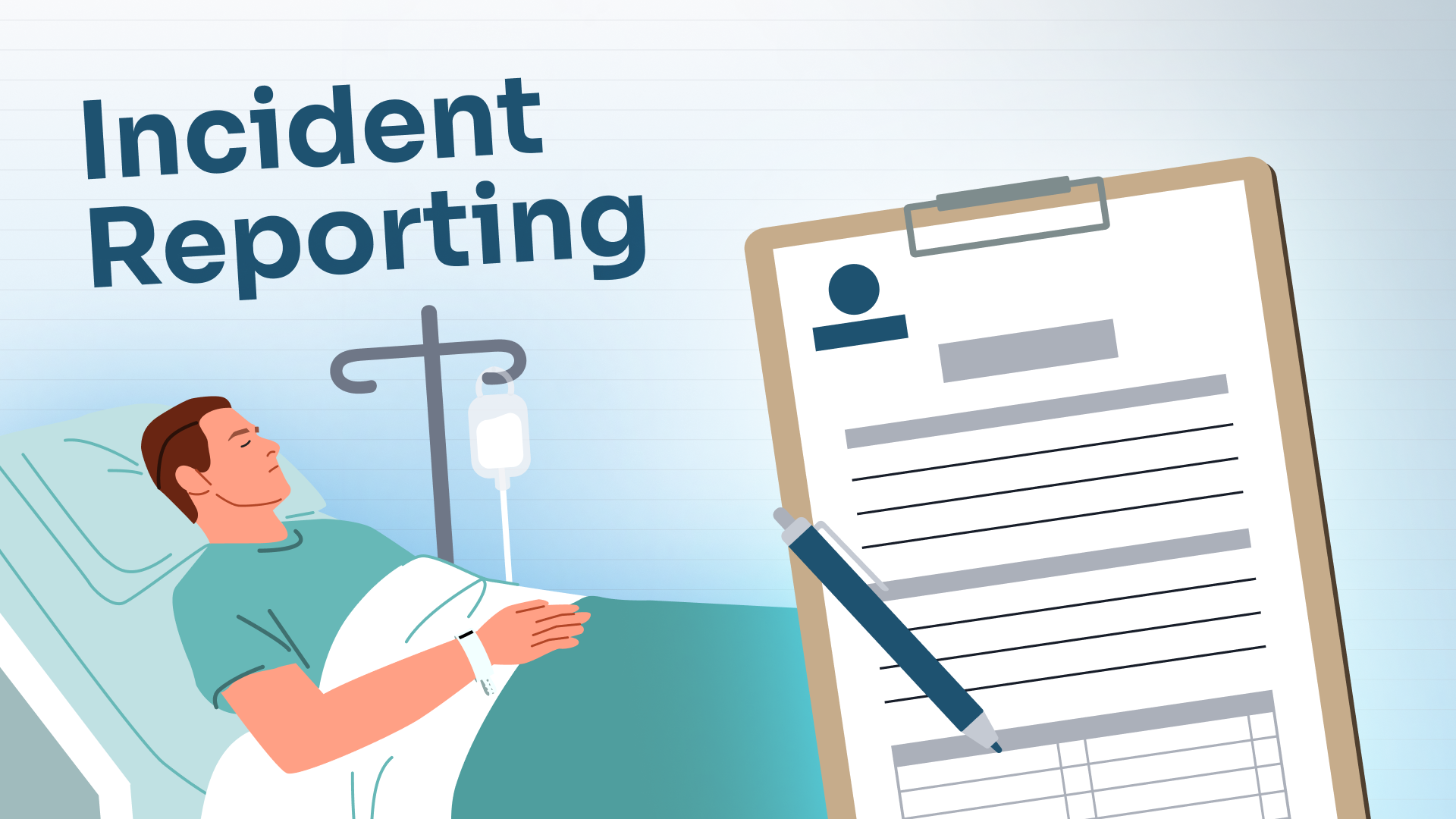
Incident reporting involves identifying, documenting and escalating clinical incidents, near misses and adverse events that occur during patient care. Underreporting and inconsistent documentation can limit a health service’s ability to identify risks, prevent recurrence and improve patient safety.
The NSQHS Standards require health services to detect, report, escalate and learn from adverse events, while the Severity Assessment Code (SAC) framework helps classify incidents by severity and guide the appropriate response.
This Training Module discusses how to recognise reportable events, the role of incident reporting within a just culture, how to apply the SAC framework, appropriate escalation and documentation principles and open disclosure obligations.
Content
What you'll learn:
Recognise clinical incidents, near misses and adverse events that require reporting.
Explain the purpose and principles of incident reporting within a safety culture.
Apply the Severity Assessment Code (SAC) framework to classify incidents.
Describe appropriate escalation, documentation and communication processes.
Understand open disclosure obligations following adverse events.
Who it's for:
This module is for clinicians working in Australian Hospital and Health settings who are looking to strengthen their knowledge of incident identification and reporting to support accurate, timely, and consistent practice.
Why it's needed:
Underreporting and inconsistent documentation of clinical incidents, near misses, and adverse events remain a persistent issue in Australian Hospital and Health care, limiting organisations’ ability to identify risk, prevent recurrence, and improve patient safety. These gaps undermine safety culture and contribute to avoidable harm by delaying corrective action and missing system-level learning.
The NSQHS Standards require health services to detect, report, escalate and learn from adverse events, with clear obligations under Standard 1 (Clinical Governance) and Standard 8 (Recognising and Responding to Acute Deterioration). While the Severity Assessment Code (SAC) framework provides a nationally recognised approach to incident classification and prioritisation, many clinicians remain uncertain about what constitutes a reportable incident, how to apply SAC ratings, and how to document and communicate incidents appropriately, including meeting open disclosure expectations.
Therefore, this module aims to build foundational knowledge and confidence in recognising, classifying, reporting, and communicating clinical incidents, supporting consistent incident management practices and strengthening patient safety and clinical governance.
Topics
Assign mandatory training and keep all your records in-one-place.
Find out more

Recommended resources